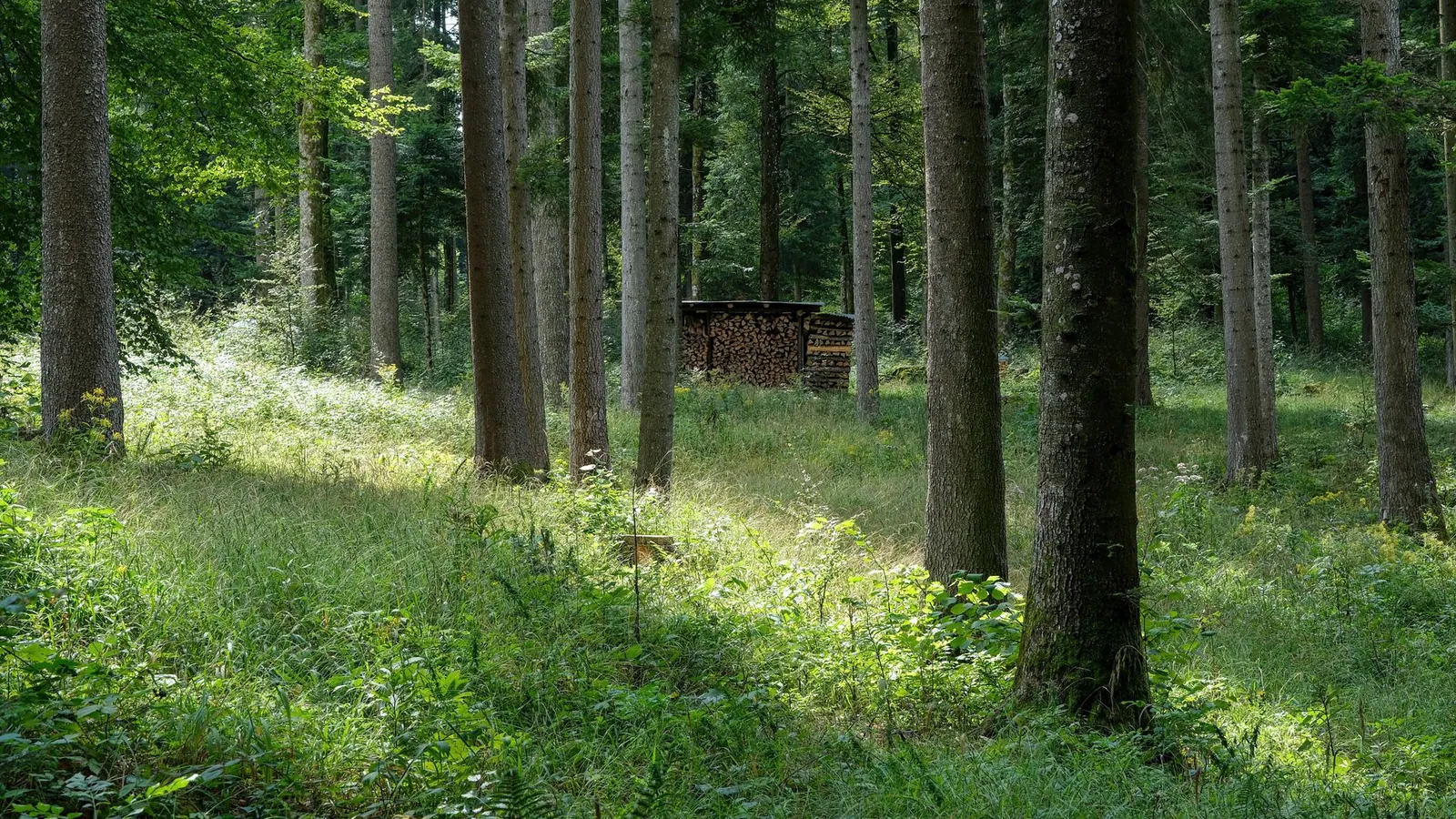
Forestry mulching grinds standing vegetation into chip on the spot. There is no felling, stacking, burning or hauling — the material becomes a mulch layer that suppresses regrowth, stops erosion and feeds the soil as it breaks down.
It is usually the cheapest way to make overgrown acreage usable, and the most selective — mature trees you want to keep are simply left standing while everything around them is cleared.
Do you need this?
If any of these sound like your property, this is the service:
- Acreage is too thick to walk or use
- You want undergrowth gone but the mature trees kept
- Burn bans or neighbours make burning brush impractical
- You want the land usable without the cost of full clearing and hauling
- Invasive growth is taking over a property line or pasture
How the job runs
- 1
Walk the boundaries
We agree exactly what is being cleared, what stays, and where the property lines actually run before anything gets ground up.
- 2
Set the density
You choose how open you want it. A light pass thins undergrowth for walkability; a heavy pass clears to near-bare ground.
- 3
Mulch in passes
Machine works across the area reducing brush and small trees to chip, which is spread as it goes.
- 4
Handle oversize
Trees beyond what the head handles are cut and either removed separately or left as habitat, whichever you prefer.
What affects your price
Georgia pricing. Slopes over 20 degrees add 20 to 40 percent. Most mulching heads handle trees up to 8 to 12 inches; anything larger is cut separately.
We quote after seeing the site, and the price we give you is fixed and in writing. Estimates are free and there is no obligation.
Get a free quoteWhy it's different in Georgia
The mulch layer matters more here than in drier states. Bare Georgia clay on any slope erodes fast under 50 inches of annual rain — leaving the ground covered in chip is genuinely better erosion protection than clearing to bare dirt and seeding.